
Stop guessing. Read the numbers first.
Strong decisions start with clean history. Use 极速飞艇 records to validate patterns, compare intervals, and filter noise before acting on any signal. When people search for 历史开奖, 开奖回顾, or 往期开奖号码回顾, they usually want one thing: data they can trust enough to verify.
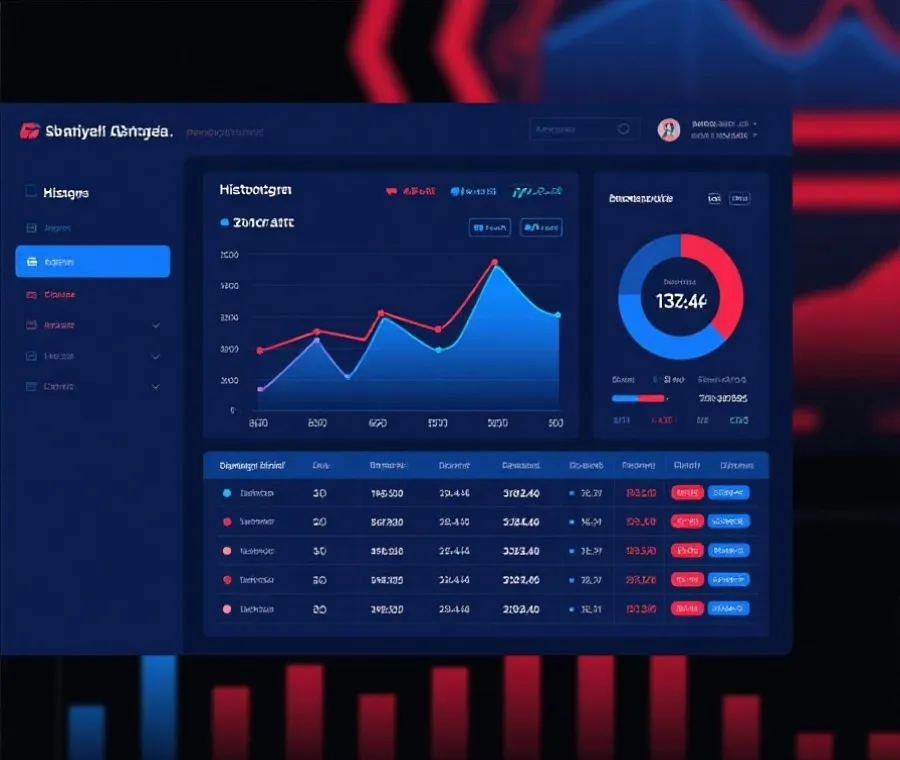
Historical records matter because momentum without verification creates expensive bias
Most users don’t fail because they lack information. They fail because they react to isolated outcomes, recent streaks, or emotionally loaded assumptions. A serious 历史结果查询 process brings structure back into the decision cycle. Instead of chasing a headline result, you compare recurrence, pause length, clustering behavior, and rotation rhythm.
Verify before you interpret
One result means little on its own. Reliable 开奖回顾 helps identify whether movement is random noise, temporary compression, or part of a wider rotational tendency.
Compare recent against historical
Short windows can look decisive while long windows tell a different story. Looking at 往期开奖号码回顾 reduces overreaction and sharpens signal quality.
Build confidence through evidence
Clear history gives context to trend charts, frequency models, and expert signals. Better context means less hesitation and more disciplined execution.
A cleaner way to read 极速飞艇 history
Effective analysis starts with chronological clarity. Historical result tracking supports direct observation of sequence behavior, interval shifts, and repeated formations. That turns raw archives into usable inputs for 趋势分析, 冷热判断, and timing-related review.
Date-based verification
Track results by period to compare immediate movement with broader historical baselines.
Pattern-ready records
Use historical sequences as the foundation for chart interpretation and probability modeling.
Noise reduction for real decisions
A stable archive makes it easier to test assumptions before following any forecast or plan.

Why serious users begin with 历史开奖
Historical archives do more than preserve old results. They reveal whether a recent signal is unusual, recurring, weakening, or simply attracting attention because it is recent. In practical terms, that means better filtering before stepping into probability analysis or following any structured plan.
- Spot repeat formations that may not be obvious in isolated snapshots.
- Review gap lengths and reappearance timing with more discipline.
- Use 开奖查询 as the first layer of validation before committing attention to any trend signal.
What makes the process more reliable
Reliability grows when data review is systematic. Instead of leaning on opinion, use a sequence-first workflow: confirm the record, compare ranges, test recurrence, and only then evaluate forecast relevance. This is the difference between casual browsing and disciplined 历史结果查询.
Recent movement gains meaning only when measured against a larger sample.
Structured 开奖回顾 reduces emotional swings and rushed interpretation.
Historical validation prepares you for stronger chart and frequency analysis.
A data-first approach helps maintain logic when markets of attention get noisy.
Common questions before moving from history to action
Use history to remove doubt before the next move
Start with verifiable records, then move into live interpretation with stronger confidence. Clean historical review strengthens every step that follows, from trend reading to probability filtering and expert plan comparison.